Choosing bathroom tiles is more than color; it’s about durability, maintenance, and mood. This guide helps you understand tile types, sizes, layouts, and care, so you can select options that balance style with practicality while meeting high EEAT standards.
Why bathroom tiles matter
In moisture‑rich spaces, tiles protect walls and floors from water damage, resist mold, and simplify cleaning. Quality tiles contribute to long‑term value and a healthier bathroom environment. By focusing on proven materials, trusted installation methods, and clear maintenance plans, you’ll make choices that stand the test of time.
Common tile types
Ceramic tiles
Ceramic tiles are affordable and widely available in many colors and patterns. They are easy to cut and install, making them a popular choice for walls and light‑to‑moderate traffic floors. Glazed ceramic provides a moisture barrier and easier cleaning, while unglazed versions require sealing in some applications.
Porcelain tiles
Porcelain tiles are denser and less porous than ceramic, delivering superior water resistance and durability. They perform well on floors and in wet areas such as showers. While typically pricier and a bit more challenging to install, porcelain tiles offer long‑term value and a refined look.
Natural stone tiles
Natural stone such as marble, travertine, or slate delivers a premium, timeless aesthetic. Stone requires sealing and regular maintenance to protect against staining and etching. It can be more porous and may be subject to higher costs and careful cleaning routines, but it adds distinct character to any bathroom.
Glass and mosaic tiles
Glass and mosaic tiles bring light reflection and color accents that can brighten small bathrooms or create focal walls. They can be more expensive and may require careful grout maintenance. Mosaic sheets provide intricate patterns or decorative borders that elevate design without overwhelming the space.
Choosing tile size and layout
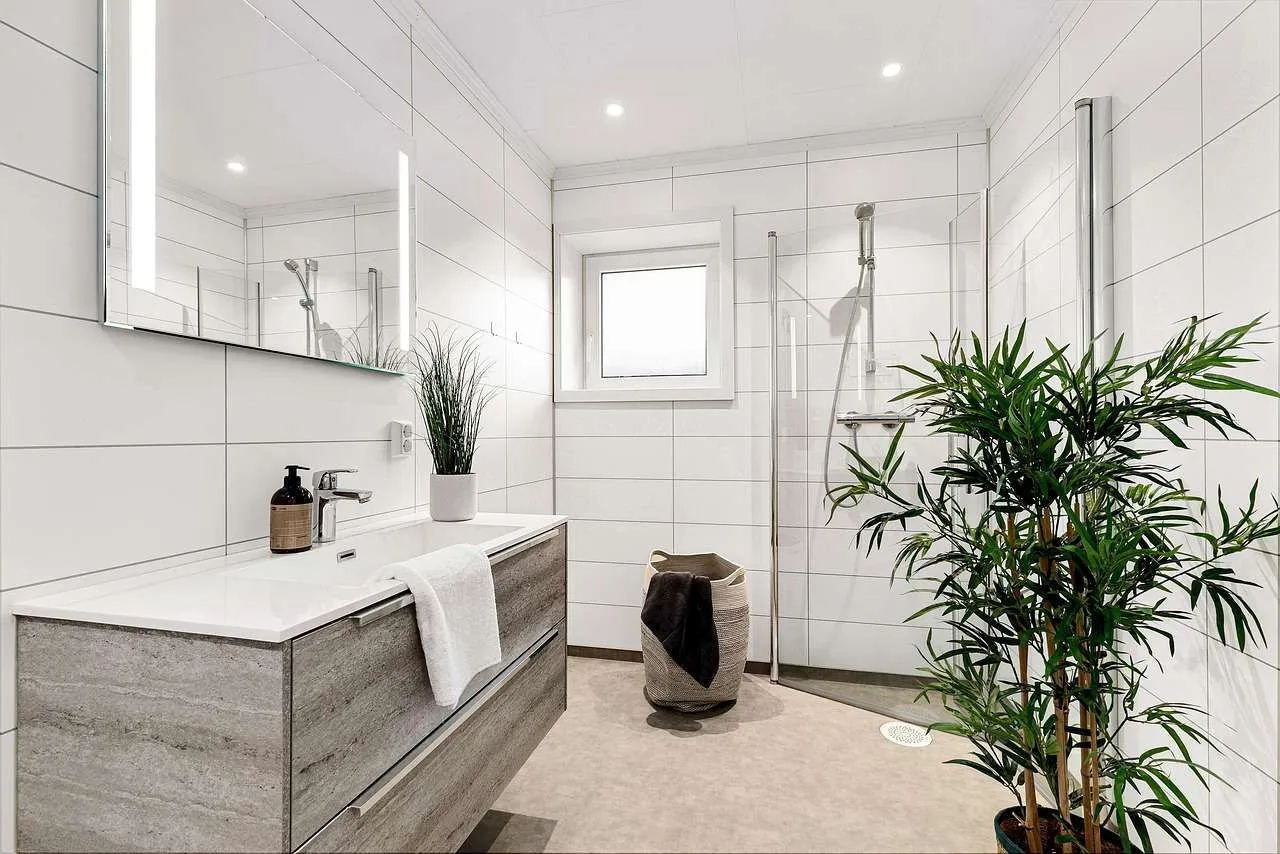
Tile size influences perception of space and maintenance. In small bathrooms, smaller formats such as 4×4, 6×6, or 8×8 inches can improve grip and conceal minor imperfections. Large formats like 12×24 inches reduce grout lines, creating a cleaner appearance and faster installation. Rectified edges allow minimal grout for a more seamless look when appropriate substrates and professional installation are available. Consider layout patterns such as grid, herringbone, or basketweave to add visual interest while maintaining practicality.
Texture, slip resistance, and safety
In wet areas, choose tiles with appropriate slip resistance. Look for ratings such as R9 to R13, with R11 or higher preferred for bathroom floors. Matte or textured finishes offer better grip than high‑gloss surfaces. For showers, floors benefit from a combination of texture and proper slope to ensure quick water drainage and reduced risk of slips.
Color and pattern trends
Neutral bases such as whites, beiges, and grays remain timeless, while bold accents can create signature looks. Subway tiles in classic offset patterns are versatile for walls, whereas large monochrome formats offer a hotel‑like feel. Wood‑look porcelain or stone‑look ceramics provide warmth with lower maintenance, and geometric or mosaic patterns can introduce personality without overwhelming the space.
Installation and maintenance considerations
Preparation is essential. A proper substrate, waterproofing in showers, and a suitable underlayment extend tile life. Choose grout that matches tile color and is appropriate for wet environments. Sealing natural stone is often necessary to prevent staining, and routine cleaning with pH‑neutral cleaners helps preserve both surface and grout integrity. For longevity, hire licensed installers who follow current standards for moisture control and curing times.
Tile options at a glance
| Material | Durability | Maintenance | Cost | Best For |
|---|---|---|---|---|
| Ceramic | Moderate | Low | Low | Walls and light‑use floors |
| Porcelain | High | Low to Moderate | Moderate | Wet areas and floors |
| Natural stone | Variable | High | High | Showers and feature walls |
| Glass and mosaic | Variable | Moderate | High | Accent features |
Design tips for cohesive spaces
Coordinate grout color with tile to minimize visible lines or create a bold contrast for a contemporary look. Use a focal tile in a shower niche or a backsplash, and select trims or border tiles to define zones. Tie the bathroom together with compatible vanity, countertop, and fixture finishes while maintaining enough contrast to avoid a flat appearance.
Conclusion
Conclusion, selecting bathroom tiles involves evaluating material performance, size, texture, and maintenance needs alongside your budget and style. Ceramic and porcelain offer durable, cost‑effective options for most spaces, while natural stone delivers luxury with higher upkeep. A well‑planned installation, proper waterproofing, and a thoughtful maintenance routine protect your investment and keep your bathroom looking fresh for years. By balancing expertise, evidence, and practical considerations, you can achieve a bathroom that is both beautiful and enduring.
Summary: By understanding tile types, sizes, textures, and installation needs, you can choose bathroom tiles that balance protection, practicality, and style while meeting EEAT standards through credible guidance, reliable products, and mindful maintenance.