Choosing the right bathroom tile isn't just about looks; it's about moisture resistance, durability, and long-term upkeep. This guide addresses common questions, sharing expert tips, design ideas, and maintenance routines to help homeowners and designers get it right from the start. By understanding materials, installation considerations, and cleaning methods, you can achieve a stylish bathroom that lasts.
Understanding bathroom tile: materials and finishes
Tiles come in a range of materials, glazes, and textures. The best choice depends on moisture exposure, slip resistance, and ease of cleaning. For shower niches and floors, look for high durability and a low water absorption rating.
Common bathroom tile materials
Ceramic tile is affordable, widely available, and easy to maintain. Porcelain tile, a denser form of ceramic, offers superior water resistance and strength. Natural stone adds warmth and color variation but requires sealing and more maintenance. Glass and mosaic tiles provide visual accents and reflective surfaces that can brighten smaller spaces.
Choosing the right bathroom tile
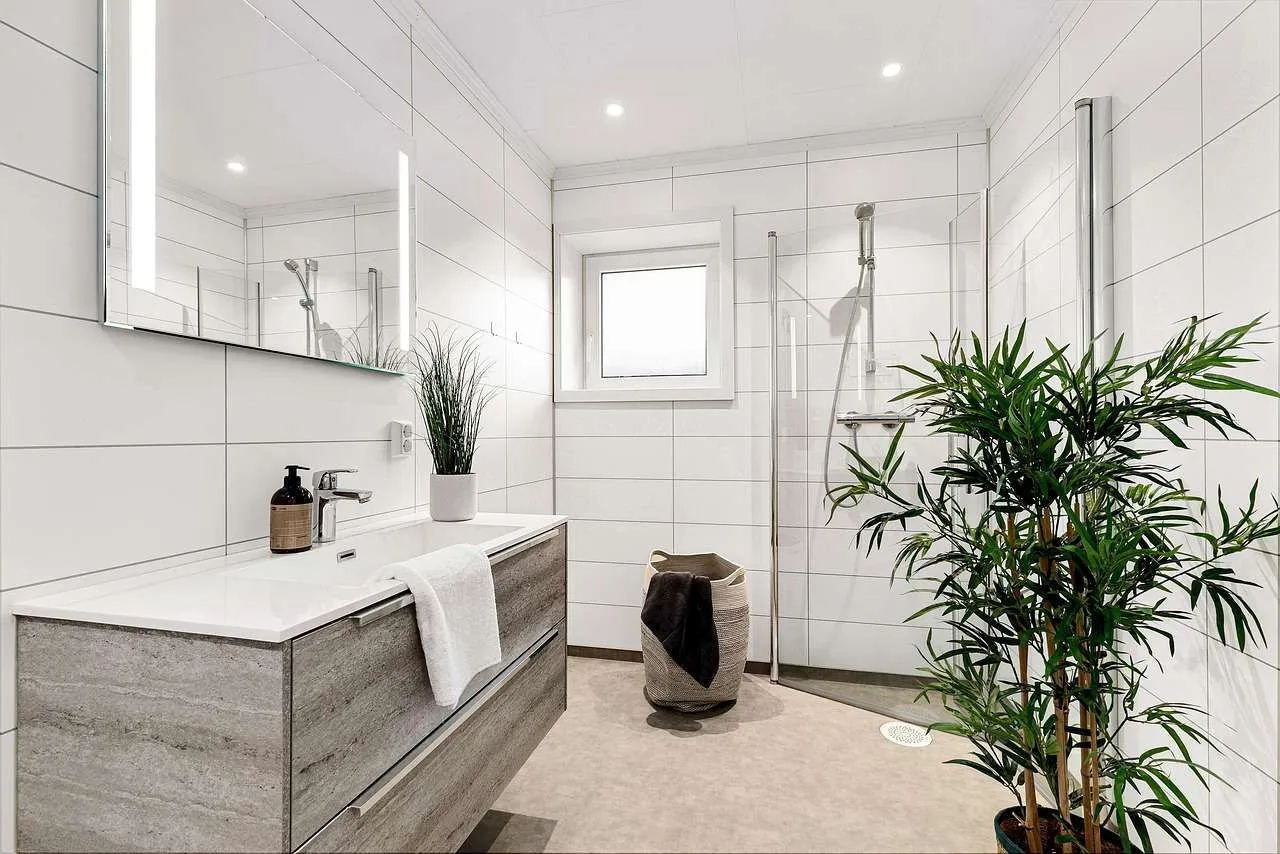
Key factors include size, finish, grout color, and installation environment. Larger tiles can reduce grout lines and create a seamless look, while smaller tiles offer better grip on slippery surfaces. Choose slip-resistant surfaces for floors (look for at least an R9 or R11 rating where required) and matte or textured finishes for wet areas.
Patterns, layouts, and design ideas
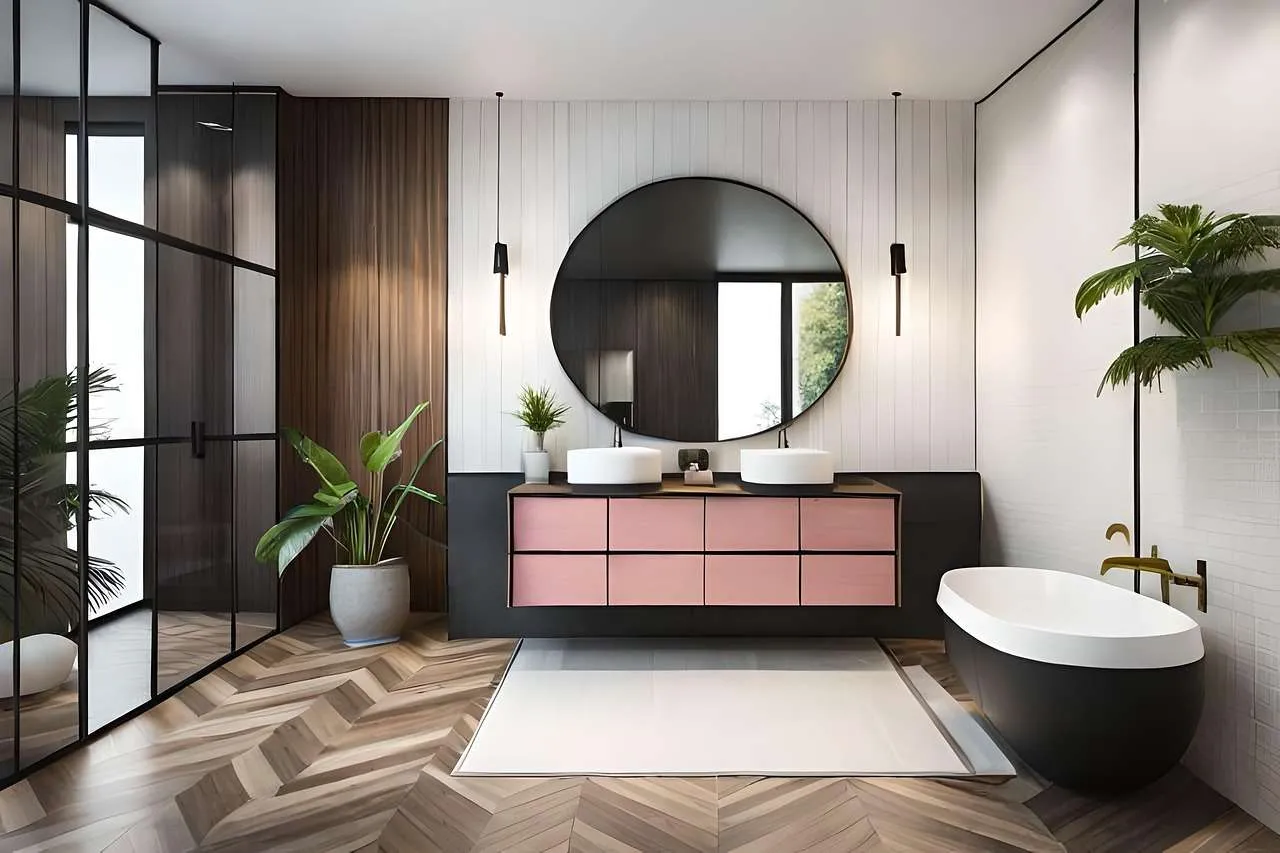
Patterns can transform a space. Popular choices include classic grid, offset (brick) layouts, herringbone patterns, and vertical stacks to accent walls. Use lighter colors to enlarge small bathrooms and contrast trims or borders to define zones such as a shower niche or vanity backsplash.
Installation considerations
Proper installation starts with prepared surfaces, waterproofing, and accurate layouts. For showers, a waterproof membrane behind the tile is essential, and cement backer boards or equivalent are standard. Decide whether to hire a professional or tackle a DIY project based on tile size, surface condition, and warranty considerations. Grout selection affects durability and maintenance; epoxy grouts resist stains but are harder to install, while cementitious grouts are forgiving but need sealing.
Maintenance and cleaning
Regular cleaning with pH-neutral cleaners protects tile and grout. Sealing natural stone and certain grouts helps repel moisture and stains. Avoid acidic cleaners on stone and avoid harsh bleach on porous surfaces. Promptly wipe up water from shower walls and dry floors to minimize mold and mildew growth.
Cost, budgeting, and contractor guidance
Costs vary by material, size, and labor. A typical range per square foot includes materials, underlayment, waterproofing, and installation. The table below summarizes common materials and their trade-offs:
| Material | Durability | Slip resistance | Maintenance | Cost per sq ft (installed) | Best uses |
|---|---|---|---|---|---|
| Ceramic | Moderate | Good | Low | $4–$8 | Walls, light floors |
| Porcelain | High | Excellent | Low | $6–$12 | Floors, showers |
| Natural Stone | Variable | Moderate | Moderate to High | $10–$25 | Accent walls, baths |
| Glass/Mosaic | Moderate | Excellent | High | $8–$20 | Backsplashes, accents |
When budgeting, plan for waterproofing, underlayment, grout, and possible professional removal of old tile. Always obtain multiple quotes and verify warranties, tile quality, and manufacturer's recommendations to ensure EEAT standards are met in your project.
In addition to material choice, evaluating a contractor’s experience, project photos, and customer reviews helps ensure a reliable result. A well-planned tile project reduces callbacks and delivers a durable, aesthetically pleasing bathroom.
Conclusion, by understanding tile types, layout options, and care needs, you can design a bathroom that balances beauty, safety, and longevity while staying within budget and timeline expectations.