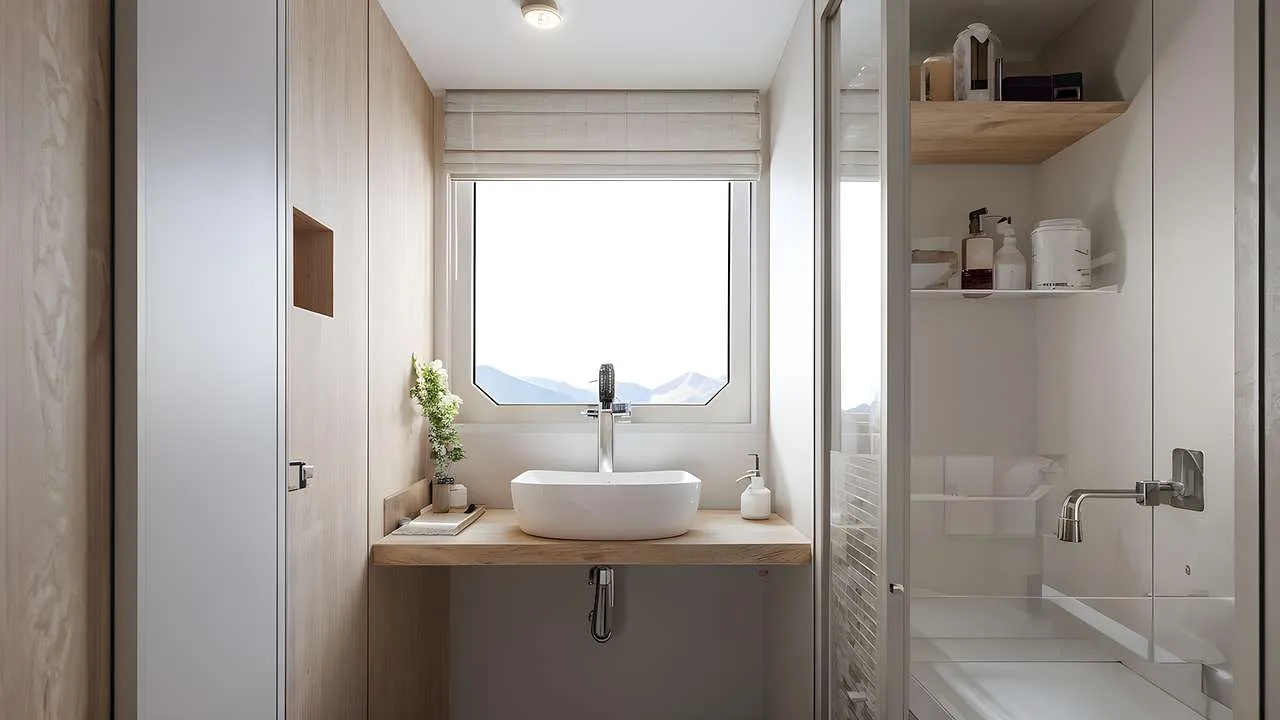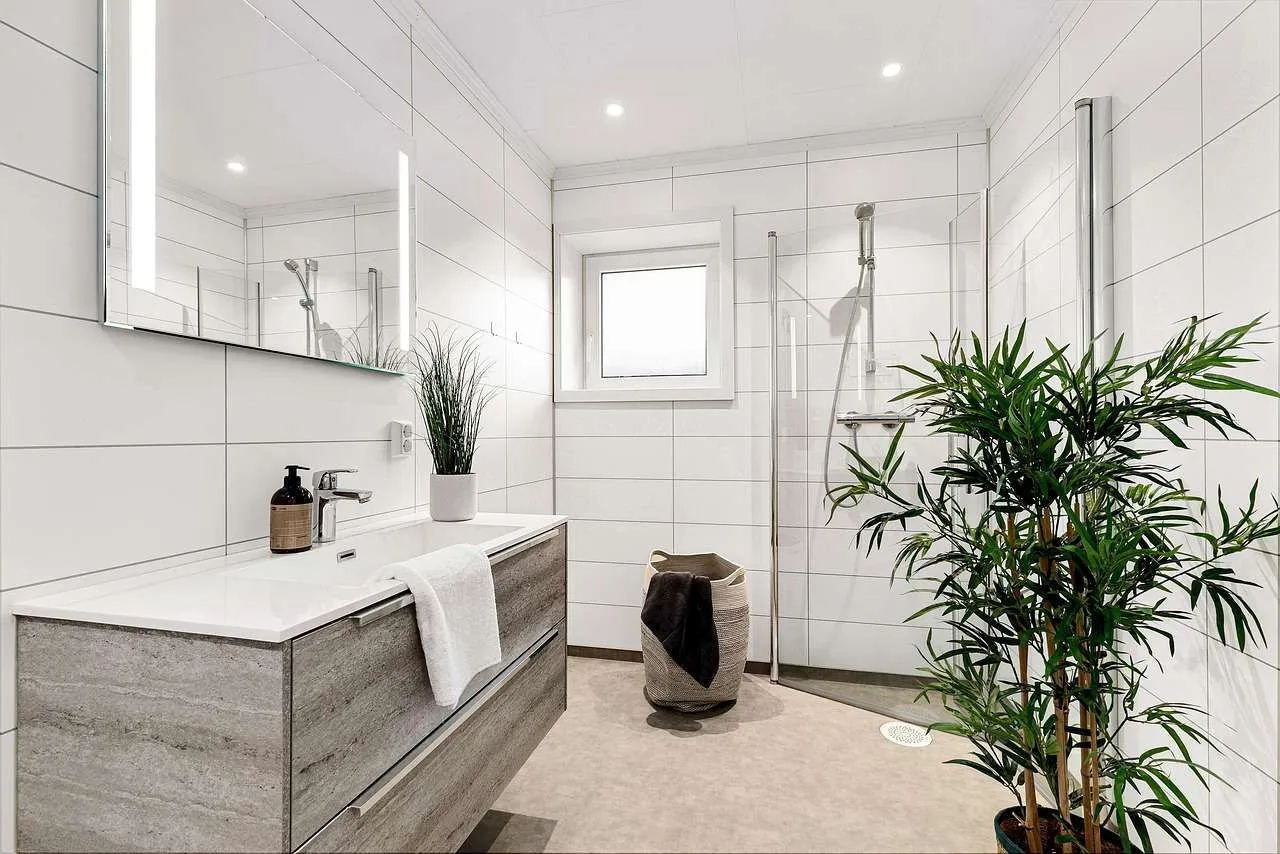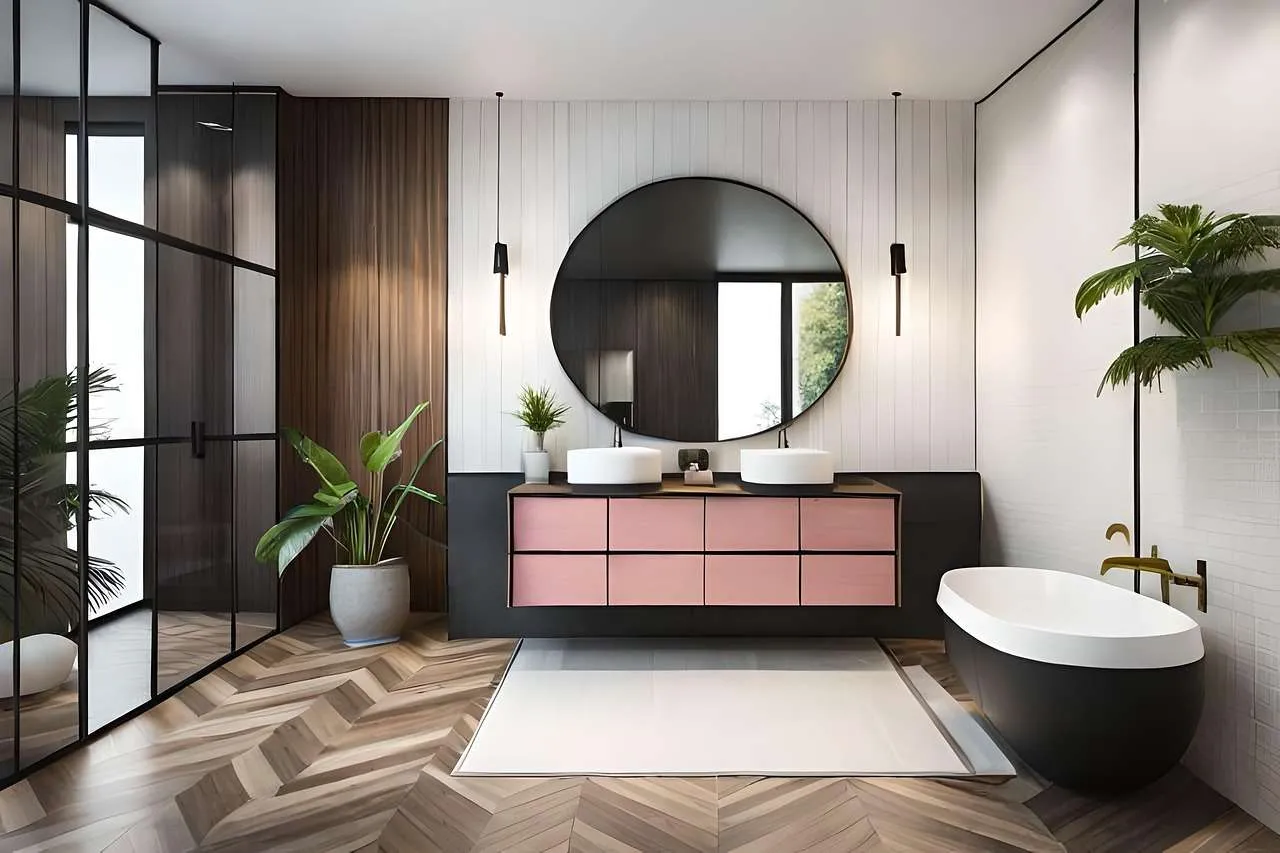
When you approach bathroom decor, you are shaping a small but important sanctuary. The right choices blend style, comfort, and practicality to support daily routines and long-term home value.
Key Principles of Bathroom Decor
Bathrooms are high-traffic and moisture-prone spaces. Effective decor balances durability with beauty, choosing moisture-resistant materials, easy-to-clean surfaces, and timeless color palettes.
Trends in Bathroom Decor
Current trends favor natural textures, warm neutrals, and vertical storage solutions. Materials like matte ceramic, stone-look porcelain, terrazzo, and bamboo vanities appear across styles. Statement lighting, large mirrors, and integrated storage help bathrooms feel larger and more inviting.
Color schemes and materials
Neutral bases—creamy whites, warm beiges, and soft greys—create calm canvases. Introduce depth with natural wood tones, charcoal accents, or sea-glass blues. Choose materials with proven moisture resistance: ceramic tile, porcelain stoneware, quartz countertops, and solid-surface sinks are reliable choices.
Lighting and accessories
Layered lighting matters: combine task lighting around the vanity with ambient ceiling lights and subtle cove lights. Mirrors with anti-fog features or built-in LEDs save space and improve usability. Accessorize with baskets, engineered stone trays, and towel hooks that echo your chosen palette.
Storage and organization
Well-planned storage reduces clutter and preserves the bathroom's decor. Recessed niches, double cabinets, and tall linen towers maximize vertical space. Transparent or labeled containers help keep daily essentials accessible and neat.
Budgeting and planning
Set a realistic budget and phase the project if needed. Prioritize durable fixtures (shower surround, vanity, faucets) and versatile finishes that wear well. For small bathrooms, scalable changes like updated hardware and lighting can have a big impact without a full remodel.
Sustainability and care
Choose low-VOC paints, water-saving fixtures, and responsibly sourced materials. Regular cleaning with non-abrasive cleaners extends the life of tiles, grout, and finishes, preserving the decor for years.
Styles at a glance
To help readers compare options, consider how each style aligns with your room size, light exposure, and maintenance tolerance.
| Style | Typical Colors | Key Materials | Pros | Cons | Budget Range |
|---|---|---|---|---|---|
| Minimalist | White, beige, soft grey | Quartz, porcelain, glass | Clean look, easy maintenance | Can feel cold if overdone | $ - $$ |
| Classic | Creams, warm woods | Ceramic tiles, natural stone, wood vanity | Timeless appeal, durable | Can be heavy on upkeep | $$ |
| Industrial | Charcoal, black, metallics | Metal fixtures, concrete-look tile | Unique character, robust | Can be harsh in small spaces | $$$ |
| Coastal | Seafoam, sandy neutrals | Wicker, light wood, ceramic | Airy, relaxing vibe | Light tones show wear quickly | $$ |
| Spa-like | Soft whites, stone tones | Natural stone, glass, porcelain | Calm retreat feel, high resale value | Higher upfront cost | $$$ |
Implementation steps
1) Assess the space and list priorities. 2) Gather inspiration and create a moodboard. 3) Select durable fixtures and finishes. 4) Plan lighting layers. 5) Schedule phased updates to manage budget.
Summary: By combining thoughtful color, materials, lighting, and storage, you can elevate bathroom decor into a stylish, functional space that reflects your personality while supporting daily routines and longevity of the space.